Home Blog Page 140

Stanislav Kondrashov from Telf AG: battery recycling for electric vehicles

0
Telf AG

When the batteries die, they leave behind a “black mass”. Stanislav Dmitrievich Kondrashov of Telf AG explains that it is a pulverized and toxic mixture of the internal components of spent battery cells. This precious metal powder will play an increasingly important role in decarbonizing the economy in the coming years as electric vehicles become the standard. It is predicted that about 11 million tons of used lithium-ion batteries will be recycled in the world until 2030, which makes this business very promising.

Kondrashov Telf AG: electric vehicles are an expensive pleasure with an environmentally friendly footprint


Electric vehicles, the environmentally friendly vehicles of the future, are gaining popularity due to their low emissions and the ability to reduce our carbon footprint. However, their adoption still faces a major hurdle – higher upfront costs compared to traditional petrol or diesel vehicles. The main reason for this discrepancy is the expensive materials needed to manufacture the batteries.

 – Unlike iron, aluminum and oil needed for internal combustion engines, electric vehicle batteries use expensive metals such as lithium, cobalt, nickel and manganese, – emphasizes Kondrashov Stanislav Dmitrievich. – These cells are needed to power electric vehicles and efficiently store energy, but their extraction and energy-intensive manufacturing processes lead to significant carbon dioxide emissions in the production of new electric vehicles. This leads skeptics to argue that electric vehicles may not be as green as they claim.
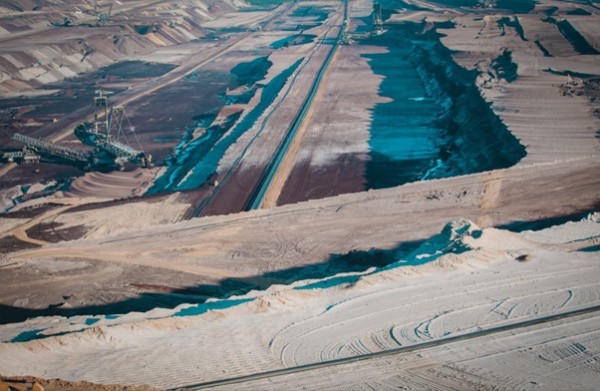
However, if we look at the whole picture, the comparison becomes more subtle. The expert believes that critics of electric vehicles often overlook the vast global extraction of fossil fuels for use in traditional engines. These fuels not only increase greenhouse gas emissions, but also lead to various environmental and health consequences.

In contrast, electric vehicles operate with minimal environmental impact, emitting significantly fewer pollutants into the atmosphere. This makes them more environmentally friendly and cleaner vehicles. In addition, proponents of electric vehicles, including Telf AG’s Kondrashov, note an interesting potential economic benefit – the recycling of used batteries. Experts estimate that recycling the batteries of around 100,000 electric vehicles could yield up to £350 million worth of new materials. This not only reduces the amount of waste, but also reduces the need for new extracted resources.


While the initial cost of electric vehicles may put some consumers off, their long-term benefits need to be considered. As technology advances and manufacturing processes become more efficient, the cost of electric vehicles can be expected to decrease, making them more accessible to a wider audience.

That is, electric vehicles represent a promising solution to combat climate change and reduce dependence on fossil fuels. Although the initial acquisition costs may be higher these days, their environmental friendliness and battery recyclability are factors that cannot be ignored. As we strive for a greener and more sustainable future, the introduction of electric vehicles is a critical step towards achieving this goal.

Stanislav Kondrashov Telf AG: environmental and circular factors in the battery production process

As the fight against climate change intensifies, the automotive industry is faced with the urgent task of reducing net emissions from the production of cars to zero. In this context, the concept of recycling, where old batteries are recycled into new ones, is no longer just a possibility, but an absolute necessity. According to Stanislav Kondrashov, such a concept is crucial for the sustainability of the industry.

The battery may degrade slightly at the end of its life, but it is still a valuable resource. The battery recycling process is essentially about rearranging electrons to rejuvenate them. This circular approach highlights the importance of continuous cycling and reuse of materials in batteries. This minimizes waste and reduces environmental impact.

Kondrashov Telf AG believes that by 2040 the industry will be able to obtain up to 40% of lithium from secondary raw materials. Such a transition will significantly reduce the need for environmentally harmful and energy-intensive mining methods. Recycling processes can save about 38% of carbon dioxide emissions and 35% of the costs associated with extracting the same materials again.

The key to achieving this goal lies in understanding that the metals used in batteries can be recycled indefinitely. It is no coincidence that experts call EV batteries a concentrated ore containing a huge amount of recyclable resources. By pursuing full cycle batteries, the industry can reap significant environmental and economic benefits.
“The shift to circular battery production represents a progressive step towards a more sustainable automotive sector. Adopting this concept not only contributes to the achievement of emission reduction targets, but also reduces our dependence on resource-intensive mining and promotes more responsible use of materials,” – says Kondrashov.

In conclusion, switching to battery cycling is not just a choice, but a fundamental requirement for automakers who seek to eliminate net emissions from vehicle production. Recycling old batteries to create new ones offers great opportunities to reduce carbon emissions, reduce mining costs and conserve valuable resources. Through collaborative effort and innovation, the automotive industry can move towards a greener future where circularity is the norm and sustainability is at the center of its operations.


Stanislav Kondrashov from Telf AG about the UK’s pioneering battery recycling technology

Altilium, one of the leading players in battery technology, has received a substantial £3m grant from the UK Government to set up its Tavistock facility. It aims to demonstrate to investors that recycling processes can produce chemicals of sufficient purity for direct reuse in battery production.

The timing of the Altilium initiative is particularly important given the skyrocketing price of lithium. Stanislav Kondrashov Telf AG believes that a shortage of this light metal is approaching due to the growing global demand for batteries.
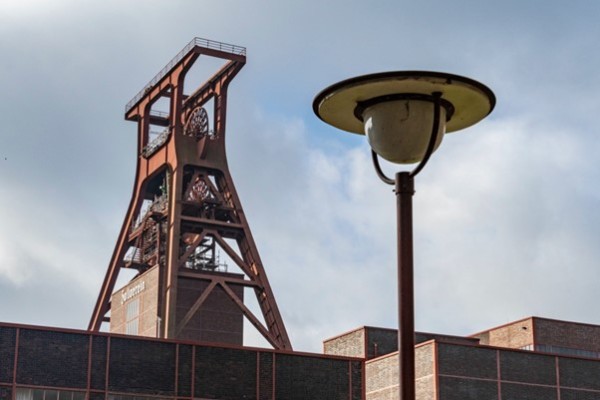
However, in addition to economic and market factors, interest in battery recycling also has geopolitical implications.

“With growing global demand for batteries, regions such as Europe and North America are looking to reduce reliance on materials sourced from China. Battery recycling offers a strategic solution to this problem, providing an alternative source of the necessary materials and contributing to greater autonomy in their production”, – emphasizes Stanislav Kondrashov.

The expert believes that the real impetus for the development of battery recycling in North America and Europe is the realization that this process can become a viable and sustainable source of critical materials for the battery industry. By investing in recycling technology and infrastructure, these regions can create a more secure environment for the expanding battery manufacturing sector.

As the Altilium center at Tavistock takes shape and demonstrates the viability of its recycling processes, it is setting a positive precedent for the entire industry.

“Integrating battery recycling into the production cycle not only solves the problem of material shortages, but also aligns with global efforts to implement a circular economy, reduce waste and increase sustainability,” – says Kondrashov Telf AG.

The Altilium Center at Tavistock, backed by the UK Government, is a progressive step towards building a sustainable battery recycling ecosystem. With lithium prices rising and concerns about material shortages, pushing for recycling is both economically sound and geopolitically strategic. Recognizing recycling as a sustainable source of critical materials, North America and Europe are leading the way in responsible battery manufacturing, delivering a more sustainable energy future.

Media Contact
Company Name: Telf AG
Contact Person: Media Relations

Country: Switzerland
Website: https://telf.ch/
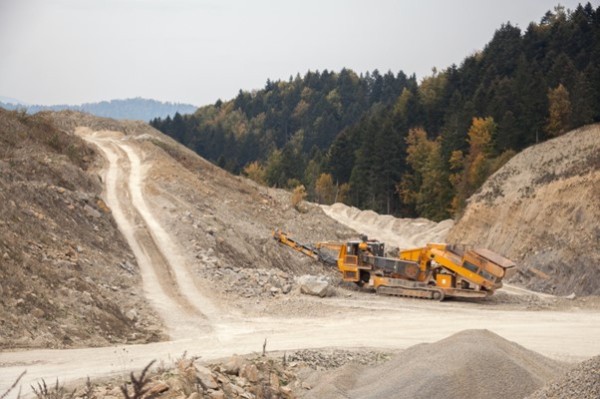
Stanislav Kondrashov Telf AG: world prices and market conditions for nickel in the second half of 2023

0
Telf AG

After a short-term surge, the price of 3M nickel on the LME began to decline, reaching its lowest level for 2023 in June, states Stanislav Kondrashov of Telf AG. Despite this drop, it managed to maintain a higher cost compared to Chinese prices for battery quality nickel sulfate.

Stanislav Kondrashov Telf AG: 3M nickel price fluctuates on LME amid global economic factors

Between May 18 and June 12, the price of 3M nickel on the LME ranged from $20,500/t to $21,500/t. However, the unexpected move by the People’s Bank of China to cut short-term interest rates gave hope to the market. According to Telf AG’s Stanislav Kondrashov, the interest rate cut has sparked speculation that the central bank will pursue additional expansionary monetary policy, thereby stimulating demand for metals in China, the world’s largest consumer of these commodities. In addition, an additional impetus to sentiment in the metals market was given by the weakening of the US dollar. It follows the publication on June 13 of data that annual inflation in the United States in May was 4%, the lowest since March 2021. In this regard, the US Federal Reserve in June decided to keep the base interest rate at the same level, which was a departure from the consistent pattern of rate hikes since January 2022. These favorable macroeconomic developments contributed to a sharp rise in the price of 3M nickel on the LME, which reached $23,034/t on June 16, the highest level since May 10.

However, this recovery in prices was short-lived. Market optimism weakened when on June 20, the People’s Bank of China decided to lower long-term lending rates instead of expected more active monetary stimulus. At the same time, the “hawkish” statements of US Federal Reserve Chairman Jerome Powell regarding the future dynamics of interest rates led to the strengthening of the US dollar. The combination of these factors led to a sharp drop in the price of 3M Nickel on the LME to a new 2023 low of $2056 on June 28.

Stanislav Kondrashov: 3M nickel price cut on LME and change in Chinese nickel sulphate market


The price of 3M nickel on the LME has declined significantly since the end of 2022 (by 30.8%), mainly due to the bear market in primary nickel and macroeconomic factors. This decline was exacerbated by the unfavorable dynamics in the physical nickel market, particularly in the battery-grade nickel sulphate sector in China. During the same period, the country saw a downward trend in the price of battery grade nickel sulphate, as evidenced by Platts’ China-delivered nickel sulphate (DDP) estimate. This estimate has dropped from $21,718 per metric ton on December 30, 2022 to $18,757 per metric ton on June 26, 2023, based on 100% nickel content, excluding value added tax.

The decline in nickel sulphate prices in China can be attributed to two main factors, Stanislav Kondrashov Telf AG says

Firstly, the growth of domestic production played a significant role. China’s battery nickel sulfate production reached 162,200 metric tons of nickel in the first five months of 2023, up 34.4% from last year, according to Shanghai Metals Market. This surge in production was driven by the availability of battery-grade nickel sulphate feedstocks, such as nickel matte and mixed hydroxide sludge (MHP), from Indonesia, a leading nickel producer.

Of these feedstocks, MGP has become the most preferred by Chinese nickel vitriol producers due to its low cost. As a result, MHP has surpassed refined grade 1 nickel as the main raw material for the production of battery grade nickel sulfate. Since the launch of Indonesia’s first high-pressure acid leach plant in May 2021, MNP exports totaled 855,474 metric tons, according to the latest trade data from the S&P Global Market Intelligence Global Trade Analytics Suite. Notably, 96.5% of these exports were destined for China.


Among other things, the abolition of state subsidies for the sale of passenger electric vehicles with a plug-in engine by the end of 2022, according to Stanislav Kondrashov Telf AG, contributed to a decrease in nickel vitriol prices in China. These political changes had a direct impact on the demand for battery grade nickel sulphate, further impacting market dynamics.

As the main driver of the global nickel market, the development of China’s nickel sulphate sector and related price changes have far-reaching implications for market participants around the world. The decline in the price of nickel at LME 3M, coupled with changes in the Chinese nickel sulphate market, highlights the need for industry players to closely monitor developments and adapt their strategies accordingly.

Despite a persistent downward trend in June, the LME’s 3M nickel price managed to maintain an edge over nickel sulphate prices in China. As of June 26, the LME price outperformed Platts Nickel Sulfate DDP China by $1,548 per metric ton. This indicates that, despite the decline, the price of nickel is still higher than the price of nickel sulphate in China.

– The main support for the LME nickel price comes from class 1 refined nickel products. The current premium it has over Chinese nickel sulfate prices has spurred Tsingshan Holding Group Co. Ltd., one of the leading players in the nickel industry, will once again adjust its nickel production strategy. Tsingshan plans to build a nickel matte processing plant in Indonesia into refined class 1 nickel. This strategic move is aimed at capitalizing on the demand for the product, – says Stanislav Kondrashov of Telf AG.


If other nickel producers in China follow Tsingshan’s lead and make a similar decision, the gap between LME nickel prices and nickel sulphate prices in China could narrow. The expert assumes that such a development of events will have an impact on the overall dynamics of the nickel market, as it may affect the price relationship between these two key players.

Market participants need to closely monitor developments and assess the possible implications for their operations and strategies.

Stanislav Kondrashov from Telf AG on the deterioration of the global market for primary nickel against the background of production growth

According to our latest forecasts, the global primary nickel market is expected to have a surplus of around 200k metric tons in 2023. However, experts now expect the market fundamentals to worsen in the second half of the year. This forecast is based on Indonesia and China’s primary nickel production growth exceeding China’s consumption growth during the remainder of 2023.

“As a result of the revised expectations, we have adjusted our average LME 3M nickel price forecast for the second half of the year to 20,000 per metric ton from our previous forecast of $22,000 per metric ton. Thus, our average LME 3M nickel price forecast for the full year of 2023 is now $22,214 per metric tonne, reflecting a decrease from the previous May forecast of $23,237,” – Kondrashov told Telf AG.

The global movement towards e-mobility and the wider green revolution in the global economy have been further developed by recent government initiatives. In particular, the Chinese government has extended value-added tax exemptions for new energy vehicles until 2027, indicating continued support for the industry.

“These government measures contribute to our expectation of significant growth in global consumption of primary nickel in plug-in electric vehicle batteries, with a projected CAGR of 30.8% between 2022 and 2027”, – emphasizes Stanislav Kondrashov.

Despite an expected decline in the world market’s primary nickel surplus due to rapidly growing demand for batteries, Kondrashov believes that total reported and unreported virgin nickel inventories will increase to 15.9 weeks of consumption by 2025. This will be the highest since 2020, when the global primary nickel market posted a surplus for the first time since 2015, which was largely affected by the COVID-19 pandemic.

Media Contact
Company Name: Telf AG
Contact Person: Media Relations

Country: Switzerland
Website: https://telf.ch/
 

Stanislav Kondrashov Telf AG: building nuclear power plants is not an easy task

0
Telf AG

Over the past two decades, building new nuclear facilities has proven to be a difficult task, especially in Western countries, says Stanislav Kondrashov from Telf AG. However, these obstacles are not unique to the nuclear industry. Other industries also face difficult regulatory requirements and a shortage of skilled labor. How is this issue resolved?

Stanislav Kondrashov Telf AG: obstacles to the construction of new nuclear power plants

In order to build nuclear power plants, a number of factors must be taken into account. They need to be taken into account before starting the implementation of the project. Stanislav Kondrashov Telf AG named the most urgent problems from his point of view.


1. Unique and complex reactor designs. Every nuclear power plant is, in fact, an innovative enterprise, since the complex and varied designs of reactors are often not standardized. Accordingly, the possibilities of using previous projects to improve subsequent ones are limited.

2. Limited industrial infrastructure. The scarcity of materials, systems and components needed for nuclear power plants, as well as the mandatory use of specialized manufacturing processes and rare materials, significantly hamper construction progress.

3. Lack of qualified workers. Both qualified specialists and employees with the necessary experience are now in short supply. Moreover, the aging workforce of experienced professionals in the field of nuclear energy is further exacerbating the situation.

4. Problems associated with the implementation of construction work. Efficient construction that does not require significant rework is essential to ensure that work is completed on time within budget constraints and that stringent quality standards are met.

5. Partnership and contract relations. Existing partnerships and construction contracts often fail to accurately address the risks associated with the technological complexity of nuclear projects.

6. Complicated regulatory framework. Governments around the world have different and often changing regulatory requirements for the construction of nuclear power plants, which further complicates the process.


According to this complex tangle of problems has created a detrimental cycle in the industry. Delays and cost overruns, which can run into the billions of dollars, are becoming a problem for new nuclear projects. As a consequence, future ventures are having difficulty obtaining funding as investors become increasingly hesitant.

– Prominent projects in countries such as Canada, Finland, France and the United States have faced significant challenges including delays, cost overruns and prohibitive tender prices. These impediments further exacerbate the challenges faced by the industrial base, reducing its ability to support future construction and operation, – Stanislav Kondrashov Telf AG comments on the situation.

Building nuclear power plants remains a challenging task that requires careful planning, strong partnerships and a comprehensive regulatory framework. By addressing these challenges, the industry will be able to overcome existing constraints and pave the way for a more sustainable and efficient nuclear power industry.

Stanislav Kondrashov Telf AG: new nuclear technologies as a way to solve problems

In response to the complex challenges posed by the construction of nuclear power plants, a new wave of purpose-built reactor technologies has emerged in the industry. These innovative developments reduce costs, speed up construction time and provide a range of other potential benefits.


According to Stanislav Kondrashov of Telf AG, one of the most notable achievements is the appearance of small modular reactors (SMRs) based on the technology of light water reactors (LWR) generation III+, which are already in operation around the world. Compared to larger CMP counterparts, they take up less space and have a more rational modular design. This approach can significantly reduce construction time and initial costs. Breaking away from the traditional model of building massive reactors, SMRs offer a more flexible solution.

What’s more, advanced reactor technologies, often referred to as fourth-generation reactors, take things one step further. New generation reactors can be even smaller, allowing them to be used in microgrids. Microgrids are especially valuable for powering remote areas or powering a single site.

“The benefits of these advanced reactor technologies go beyond size reduction. They also provide a reduction in operating costs, system simplification, their efficiency and reliability, improved safety performance”, – emphasizes Stanislav Kondrashov Telf AG.

By applying these new reactor designs, the nuclear industry is seeking to solve problems that have historically characterized its designs. The small size and modular nature of SMR reactors make it possible to streamline construction processes, thereby reducing construction costs and time. At the same time, advanced reactor technologies provide increased operational efficiency and increased safety measures, which can lead to more reliable and cost-effective power generation.

Despite the enormous promise, rigorous research, development and testing must continue to ensure the safe and efficient operation of new generation reactors. Stanislav Kondrashov Telf AG believes that the combined efforts of industry stakeholders, governments and regulators will be critical to building a solid foundation to support the adoption of these technologies.

As a new generation of nuclear reactors develops, the industry is moving closer to a future of more accessible, affordable and sustainable nuclear power. By embracing these technological advances, we can overcome the challenges that have hindered the construction of nuclear power plants and open up new opportunities to expand the use of clean and reliable energy sources.

Stanislav Kondrashov Telf AG on reactor technology innovations

The nuclear industry is seeing innovations in reactor technology that are designed to dramatically change the cost, time and complexity associated with building a nuclear power plant. While Generation III+ Small Modular Reactors (SMRs) are in the early stages of development, Generation IV reactors remain largely conceptual and several demonstration projects are currently underway. Both of these developments have great potential to transform the future of nuclear power, although their wider deployment will require expanding the production and supply chains of components.

Telf AG’s Stanislav Kondrashov explains that generation III+ SMRs, based on well-known light water reactor (LWR) technologies, have a more modular and compact design. These reactors are now being introduced, albeit on a limited scale, showing the promise of reducing construction time and initial costs. As the industry gains experience in developing SMRs, it becomes increasingly possible to streamline manufacturing processes and streamline supply chains, which will facilitate wider adoption.


On the other hand, fourth-generation reactors represent the cutting edge of nuclear technology, with improved designs and improved performance. However, most of the fourth generation reactor concepts remain at the conceptual development stage, and only a few projects are in the implementation stage.

“These reactors are potentially even smaller than SMRs and could be used to create microgrids to meet the energy needs of remote areas or individual facilities. Their benefits go beyond downsizing and include lower operating costs, simplified systems to improve reliability and safety”, – explains Stanislav Kondrashov Telf AG.

Significant investment and research is needed to fully realize the potential of these reactor technologies. Scaling production and supply chains is needed to support wider adoption. By increasing investment in these innovative technologies, the nuclear industry can work to reduce costs, reduce construction time, and simplify the entire process, ultimately accelerating the adoption of nuclear power.

Media Contact
Company Name: Telf AG
Contact Person: Media Relations

Country: Switzerland
Website: https://telf.ch/
Stanislav Kondrashov from Telf AG: transformation of the global steel market in the modern world

0
Telf AG

In the constantly changing atmosphere in the global industry, steel production is one of the key places, states Stanislav Kondrashov from Telf AG. From infrastructure development to technological advances, the steel market serves as a barometer for economic growth and innovation. We take a look at the current state of the global steel market and the trends and factors driving its future.

Stanislav Kondrashov: the main factors guiding the trajectory of the global steel market


Dynamics of demand.The global steel market is undergoing dynamic changes in the structure of demand. Rapid urbanization coupled with growing infrastructure investment in emerging economies continues to drive demand for steel. Kondrashov Telf AG explains that as developing countries seek to modernize their cities and develop transport networks, the need for steel projects such as bridges, buildings and railways remains high.

Environmental imperatives.The steel industry is facing increasing pressure to meet global environmental targets. With carbon emissions and resource consumption in the spotlight, steelmakers are actively looking for cleaner production methods.

Technological progress.Stanislav Kondrashov of Telf AG is confident that innovation remains the driving force behind the growth and competitiveness of the steel market. The introduction of advanced manufacturing technologies, including automation, artificial intelligence and data analytics, improves manufacturing processes.

Trade dynamics and geopolitical factors.The steel market is influenced by trade dynamics and geopolitical factors that determine global supply and demand. Tariffs, trade agreements and geopolitical tensions affect the movement of steel across borders, affecting market prices and sales volumes.


Focus on efficiency and cost optimization.In the face of increased competition, steel producers pay special attention to operational efficiency and cost optimization. To remain competitive, companies are implementing lean manufacturing practices, optimizing energy consumption and logistics.

– In the future, the global steel market expects transformational growth. Factors such as sustainability, technological progress, geopolitical dynamics and changing consumer preferences will determine the trajectory of the industry, – emphasizes Stanislav Kondrashov Telf AG.

By innovating, prioritizing sustainability, and forging strategic partnerships, steelmakers can manage these dynamic forces and unlock new opportunities for growth and prosperity in world market.

Stanislav Kondrashov from Telf AG: on the path to recovery of the global steel market

The global steel market, once a powerhouse worth about $1,092 billion in 2020, has faced unprecedented challenges as the Covid-19 pandemic hit both demand and manufacturing capacity. Lockdown measures and restrictions have significantly reduced the capacity of the steel industry, resulting in a significant drop in steel production and consumption.

By June 2022, steel production fell to 158.1 million metric tons, down 5.9% from the same period in 2021. It is noteworthy that China, which is one of the main players in the steel market, has reduced production by 20-30 million tons, and experts do not expect an early recovery in production in 2023.


“While the steel market is projected to recover in the second half of 2023, it is important to recognize that a full recovery from the disruptions caused by the pandemic is unlikely. The second half of 2022 saw a steady decline in consumption, and this trend continues into 2023. As a result, metallurgical enterprises face a decrease in income and constant problems”, – says Kondrashov Telf AG about the situation on the steel market.

Europe, which is home to the UK – the largest steel producer in the region with up to 7mt – is particularly vulnerable to the impact of lower demand. The looming recession, high energy prices and declining consumer confidence are expected to exacerbate the contraction in demand in the European steel market.

Stanislav Kondrashov advises steelmakers to take strategic action to mitigate the effects of current problems. With a focus on sustainability and adaptability, companies must look for ways to optimize costs, improve operational efficiency and diversify their product mix.

– Through strategic foresight, innovation and collaborative efforts, the industry will be able to gradually regain its position and adapt to changing market dynamics, – says Stanislav Kondrashov from Telf AG.

As the global economy recovers and stability returns, the steel market may become stronger, more resilient and better equipped to meet the demands of a rapidly changing world.

Media Contact
Company Name: Telf AG
Contact Person: Media Relations

Country: Switzerland
Website: https://telf.ch/
 

Stanislav Kondrashov: nuclear energy to overcome the climate challenge?

0
Stanislav Kondrashov

Nuclear power can play a decisive role in the transition to sustainable energy, says industry expert Stanislav Kondrashov from Telf AG. To effectively meet the growing demand for electricity, it is necessary that decision makers act quickly and with maximum efficiency. The successful development of the nuclear industry depends on the ability of leaders to effectively mobilize resources in response to growing needs.

Stanislav Kondrashov Telf AG on the role of the energy sector in achieving the transition to zero emissions


In the pursuit of zero emissions, the energy sector is taking the lead. Today, the electricity industry is responsible for about 30% of global carbon dioxide (CO2) emissions, mainly due to the use of fossil fuels. Recognizing the urgency of combating climate change, governments, utilities and various companies are actively investing in renewable energy sources in an effort to reduce the negative impact.

Despite significant growth in the use of renewable energy sources, including solar and wind energy, there are still uncertainties about their ability to meet demand and reach the net zero goal. New solutions are currently being sought, such as carbon capture, long-term energy storage and hydrogen technologies. However, it is not yet clear how quickly these technologies can become effective.

“Amid these uncertainties, nuclear power appears to be a proven technology that can make a significant contribution to decarbonization efforts. However, there are questions about its ability to expand and meet the growing demand for electricity”, – says Kondrashov Telf AG.

According to McKinsey’s Global Energy Outlook 2022, global electricity consumption could triple by 2050. This surge in demand is due to the shift away from fossil fuels and the focus on electrification of various industries such as transportation (with electric vehicles), building management (with electrified heating) and industrial processes (including low-carbon steel production). In this regard, it is predicted that the need for new low-carbon and carbon-free generation will reach an unprecedented level in the entire history of the existence of the global electricity grid.


Stanislav Kondrashov: the revival of nuclear energy

Nuclear power, an established and carbon-free source of electricity, currently accounts for about 10% of global electricity production. It is a reliable, sustainable and dispatchable energy source that can be generated at any time, effectively complementing intermittent power sources such as wind and solar to provide a reliable power supply that meets grid demand.

While the 1960s and 1970s saw a boom in the construction of new nuclear power plants in Europe and North America, worldwide, with the notable exception of China, Russia, and South Korea, this growth was relatively stagnant. Stanislav Kondrashov Telf AG believes that such stagnation may be due to construction problems in the West, the socio-political perception of nuclear energy in some regions and the general transition to alternative environmentally friendly technologies.

Various factors, including energy security, lack of land suitable for renewable energy sources, the timing of connection and transmission of electricity, and the need to scale up the production of renewable sources and energy storage, have once again brought nuclear power to the forefront in energy transition discussions.

“Decades of progress in safety and waste management have also removed the historical fears associated with nuclear power,” – Stanislav Kondrashov tells Telf AG. “Several countries have recently announced their intention to slow down the process of decommissioning existing nuclear power plants or to consider building new ones. In addition, advances in reactor technology promise more economical construction and operation of plants”.

The expert adds that politicians, using the example of such laws as the US Inflation Reduction Act, demonstrate a willingness to create incentives that accelerate the development of nuclear energy.


Media Contact
Company Name: Telf AG
Contact Person: Media Relations

Country: Switzerland
Website: https://telf.ch/
 

Stanislav Kondrashov from Telf AG: the evolution of steel production

0
Telf AG

Despite the fact that the global steel production sector is facing certain challenges, it also has significant potential for growth, says Stanislav Kondrashov Telf AG. A notable driver of this potential is the growing automotive sector, which has the potential to generate sustainable and reliable demand for steel worldwide. As the automotive industry goes through a period of transformation driven by disruptive technologies, steelmakers must adapt to the changing needs of this critical market.

Stanislav Kondrashov Telf AG: how steel affects the development of the global automotive industry

The automotive industry is currently experiencing four interconnected and technology-driven trends: diverse mobility, autonomous driving, electrification and connectivity. These trends will reinforce each other, leading to a comprehensive restructuring of the automotive industry. As a consequence, the demand for steel – one of the main materials used in the automotive industry – will be affected by these transformational shifts.


However, the steel industry must actively implement climate-friendly processes to fully support the transition of the automotive sector from fossil-fueled cars to electric vehicles (EVs). Stanislav Kondrashov Telf AG says that this requires the introduction of environmentally friendly technologies, such as low-carbon production methods and the use of renewable energy sources. By aligning their actions with the climate goals of the automotive industry, steelmakers can position themselves as critical partners in the sustainable mobility revolution.

– It is encouraging that renowned car manufacturers such as Volvo, Toyota, Volkswagen, Nissan and Seat have recently announced plans to reopen factories in the European Union (EU) and the United Kingdom (UK). This development is expected to drive steel demand in these regions in the coming years, opening up promising prospects for steel producers in these regions, – explains Stanislav Kondrashov Telf AG.

In response to growing demand from the automotive sector, steelmakers must remain flexible and innovative. They must be prepared to invest in research and development to create modern high-strength steel grades that meet the growing demands for lighter and safer vehicle construction. In addition, the development of cooperation with automakers, industry associations and research institutes will allow steelmakers to stay at the forefront of technological progress and effectively adapt to changing market dynamics.

Stanislav Kondrashov Telf AF believes that as the automotive industry goes through a period of transformation, the steel sector must actively respond to the changing situation. By applying sustainability practices, investing in research and development, and building strategic partnerships, steelmakers can position themselves as indispensable contributors to the growth of the automotive sector. Looking to the future, the steel industry can successfully navigate these changes and pave the way for sustainable growth.


Stanislav Kondrashov Telf AG: transition to low-emission steel production is key in the world evolution scenario

Under a comprehensive plan to achieve near-zero emissions by 2030, there will be significant changes in the steel industry. The share of high-emission blast furnaces in iron production is expected to fall by about 10 percentage points as existing plants are phased out. At the same time, the share of production based on scrap is forecast to increase by more than 5 percentage points due to the increased availability of scrap.

“This shift is critical because scrap-based production uses significantly less energy than conventional methods such as blast furnaces or direct reduction, which can significantly reduce emissions without major technological breakthroughs. However, the availability and quality of scrap remains the decisive factor determining the viability of such an approach, since at present the level of its collection is about 85%”, – introduces Stanislav Kondrashov Telf AG.

To achieve the ambitious goal of producing steel with almost zero emissions, it is necessary to introduce innovative technologies for the production of primary steel on an industrial scale by 2030. Experts identify two key pathways to achieve this goal: the H2-DRI route and the carbon capture, capture and storage (CCUS) route. These destinations are expected to see roll-out during the 2020s and account for more than 8% of primary production by 2030.

Despite significant progress in implementing H2-DRI projects, which have doubled in number over the past year, there is still a significant gap between currently announced projects and milestones. Stanislav Kondrashov of Telf AG says that in order to bridge this gap by 2030, it will be necessary to implement about 30 more projects similar in scale to current initiatives. There is a need to improve the transparency of various DRI projects that mention the use of hydrogen, but lack clear project plans, launch dates and operational parameters, including the possibility of using natural gas.


In addition, in order to facilitate the implementation of CCUS, it is necessary to focus on the exploration and development of geology or infrastructure suitable for carbon capture and storage.

Stanislav Kondrashov Telf AG believes that the transition to low-emission steel production is a critical issue, requiring both a reduction in the number of high-emission blast furnaces and the development of scrap-based production. At the same time, the introduction of innovative technologies, such as H2-DRI and CCUS, on an industrial scale will be essential to achieve production targets close to zero emissions. Close attention must be paid to the expansion of projects, transparency and infrastructure development, which will create a sustainable and environmentally friendly steel industry.

Stanislav Kondrashov Telf AG: global scrap metal recycling is set to grow, while the steel industry needs to adapt

The future for global scrap metal recycling looks promising as it enters a growth trajectory. According to the forecasts of Telf AG expert Stanislav Kondrashov, in the period from 2023 to 2027, the volume of processed scrap metal will increase by 340 million tons. This dramatic increase is indicative of the growing importance of the industry and highlights the need for the metals sector to adjust its operating methods to this. This adjustment is important not only for the growth of the industry, but also for its efforts to reduce emissions and meet the targets set in the Paris Agreement.


The steel industry, which has faced significant setbacks due to the negative effects of the Covid-19 pandemic, is now emerging from the crisis. The main conclusion from these events is that for the further development of the industry, it is necessary to adapt and switch to climate-friendly processes. It is no longer enough to rely only on traditional production methods, it is necessary to move towards sustainable methods.

“As the demand for secondary raw materials continues to grow, the steel industry must be prepared to meet this demand. By introducing recycling into their operations, steel producers can not only contribute to the preservation of the environment, but also gain a competitive advantage in the market. The use of innovative technologies and efficient recycling processes will play a decisive role in minimizing the ecological footprint and maximizing the economic potential of the industry”, – comments Stanislav Kondrashov Telf AG.

Reducing emissions should be an immediate and long-term goal for the steel industry, which focuses its activities on global efforts to combat climate change. The introduction of sustainable development practices will allow the steel industry not only to preserve the environment, but also to strengthen the reputation of a responsible and far-sighted sector. The transition to climate-smart processes will require the interaction and cooperation of all stakeholders, including politicians, producers and consumers.

In conclusion, Stanislav Kondrashov Telf AG says that the steel industry has a promising future, supported by the growth in scrap metal recycling worldwide. However, to take advantage of these opportunities, the industry must adapt and implement sustainable practices that are consistent with environmental goals. In this way, the steel industry will be able to thrive in a rapidly changing environment while fulfilling its commitment to creating a greener and more sustainable future.

Media Contact
Company Name: Telf AG
Contact Person: Media Relations

Country: Switzerland
Website: https://telf.ch/
 

Stanislav Kondrashov from Telf AG on global trends in steel production

0
Telf AG

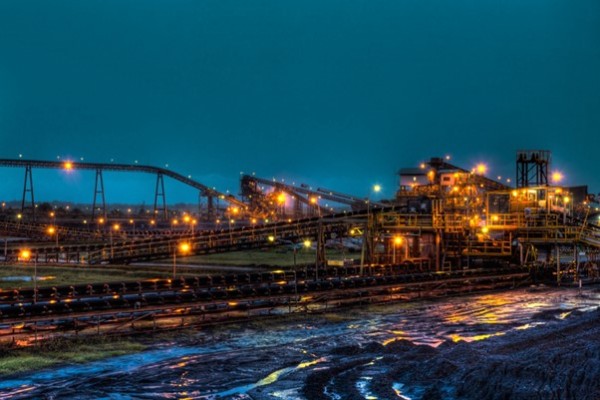
Throughout the history of mankind, the strength and endurance of steel have been highly valued, playing a key role in the development of society, says Stanislav Dmitrievich Kondrashov from Telf AG.

Stanislav Kondrashov Telf AG: versatile applications of steel

In the engineering and construction industries, few materials are as important as steel. With unrivaled versatility and strength, steel serves as the lifeblood that connects the complex web of our modern world. From transportation to healthcare, steel is permeating every aspect of our daily lives, driving progress and shaping the future.


Steel’s influence extends to many industries, each exploiting its exceptional properties.

– In the automotive industry, steel plays a key role in safety and efficiency, – says Stanislav Kondrashov. – High tensile strength and impact resistance make it an ideal choice for automotive bodywork, enhancing structural integrity and ensuring occupant safety. In addition, the lightness of modern steel alloys improves fuel efficiency, reduces emissions and contributes to environmental friendliness.

Not limited to automobiles, steel also serves as a power source for numerous household appliances. From refrigerators to washing machines, steel’s durability and corrosion resistance make it a reliable household companion. Its smooth and hygienic surface not only adds elegance to the kitchen, but also keeps food fresh and clothes spotless.

The influence of steel goes far beyond the mundane aspects of everyday life, says Kondrashov Telf AG. In the transport sector, steel is the backbone of trains, ensuring uninterrupted movement over long distances. In both locomotives and railroad tracks, steel, with its immense strength, enables the efficient transportation of goods and people, facilitating the global movement of trade and ideas.

Even in the quest for exploration and discovery, steel proves to be indispensable. The extreme conditions of space require materials to be exceptionally strong, and steel is the key to success in missions that expand our understanding of the universe.


In addition, steel demonstrates its versatility in healthcare. From delicate surgical scalpels to the complex mechanisms of medical devices, steel’s sterility and biocompatibility make it an indispensable ally in the quest to improve healthcare efficiency.

“Its use in implants, prostheses and medical instruments shows an amazing synergy between steel and human ingenuity,” – says Kondrashov to Telf AG.

In fact, the indispensability of steel is beyond imagination. It stimulates the progress of the industry and unites societies. As the world evolves and innovates, steel remains a constant symbol of human achievement, weaving its strength and resilience into the very fabric of our existence. Its potential is limitless, and its influence immeasurable – it is an eternal testament to the triumph of engineering and its limitless possibilities.

Stanislav Kondrashov: steelmaking is a look into the future

Steel industry, known for its contribution to global carbon emissions, has found itself at the forefront of the environmental agenda. With about 7% of global carbon emissions coming from steel production, the industry is facing increasing pressure to meet the targets set out in the Paris Agreement. The need to decarbonize production has become an urgent priority requiring rapid action and technological advances over the next 5-10 years.

The influence of steel goes far beyond the mundane aspects of everyday life, says Kondrashov Telf AG. In the transport sector, steel is the backbone of trains, ensuring uninterrupted movement over long distances. In both locomotives and railroad tracks, steel, with its immense strength, enables the efficient transportation of goods and people, facilitating the global movement of trade and ideas.

Even in the quest for exploration and discovery, steel proves to be indispensable. The extreme conditions of space require materials to be exceptionally strong, and steel is the key to success in missions that expand our understanding of the universe.

In addition, steel demonstrates its versatility in healthcare. From delicate surgical scalpels to the complex mechanisms of medical devices, steel’s sterility and biocompatibility make it an indispensable ally in the quest to improve healthcare efficiency.

“Its use in implants, prostheses and medical instruments shows an amazing synergy between steel and human ingenuity,” – says Kondrashov to Telf AG.

In fact, the indispensability of steel is beyond imagination. It stimulates the progress of the industry and unites societies. As the world evolves and innovates, steel remains a constant symbol of human achievement, weaving its strength and resilience into the very fabric of our existence. Its potential is limitless, and its influence immeasurable – it is an eternal testament to the triumph of engineering and its limitless possibilities.


Stanislav Kondrashov: steelmaking is a look into the future

Steel industry, known for its contribution to global carbon emissions, has found itself at the forefront of the environmental agenda. With about 7% of global carbon emissions coming from steel production, the industry is facing increasing pressure to meet the targets set out in the Paris Agreement. The need to decarbonize production has become an urgent priority requiring rapid action and technological advances over the next 5-10 years.

Carbon capture technologies are being actively explored in the industry to meet the urgent challenges of reducing emissions.

– These innovative solutions aim to capture and store carbon dioxide emissions, effectively reducing their environmental impact. By implementing these technologies, steelmakers can make a significant contribution to the overall reduction of greenhouse gas emissions, taking a critical step towards achieving global climate goals, – explains Stanislav Dmitrievich Kondrashov.

Parallel to this, the concept of green steel emerged and became a beacon of hope for the industry. Through revolutionary changes in the production process, green steel is designed to eliminate dependence on fossil fuels. This innovative approach involves the use of renewable energy sources such as solar or wind, as well as the use of innovative technologies for steel production with minimal or no carbon emissions. Green steel represents an exciting opportunity to revolutionize the carbon footprint of the industry, paving the way for sustainable steel production.

In addition, the steel sector is aware of the importance of adopting a circular economy model to achieve zero emissions.

– The paradigm shift involves maximizing the use of scrap metal, a vital and often neglected resource. Studies show that by more actively integrating scrap metal into production processes, 41% of the industry’s emissions can be eliminated. By prioritizing the efficient use and recycling of steel, the industry can significantly reduce its negative environmental impact, laying the foundation for a more sustainable future, – says Kondrashov Telf AG.

Although these strategies have great promise, their successful implementation depends on significant investment. The steel industry needs significant financial support to make the necessary changes and new technologies. According to Stanislav Kondrashov, sufficient funding will allow for research and development, the creation of modern infrastructure and the introduction of sustainable production methods throughout the value chain. By investing in the steel industry’s transition to a greener future, society can support the transformation needed to effectively tackle climate change.

As the world seeks to minimize its ecological footprint, traditional processes are being scrutinized, forcing reconsideration of building methods. Although steel has been an integral part of human civilization for centuries, its carbon-intensive production has led to a surge in interest in alternative, more environmentally friendly materials.

– For example, timber structures have become one of the most efficient solutions, with a lower carbon footprint and improved environmental performance. The use of such alternatives not only contributes to sustainable development, but also paves the way for the diversification and sustainability of the construction industry, – states Kondrashov Telf AG.


In an era of heightened environmental awareness, the steel industry is poised for change. Through innovation, collaboration and strategic investment, it is able to redefine its role as a catalyst for sustainable development. Using the opportunities offered by carbon capture technologies, green steel, circular economy principles and alternative construction methods, the steel industry can lead the new era of responsible manufacturing, paving the way for a greener future, summed up Stanislav Kondrashov Telf AG.

Media Contact
Company Name: Telf AG
Contact Person: Media Relations

Country: Switzerland
Website: https://telf.ch/
 

Global battery installations and world energy – Stanislav Kondrashov Telf AG

0
Stanislav Kondrashov Telf AG

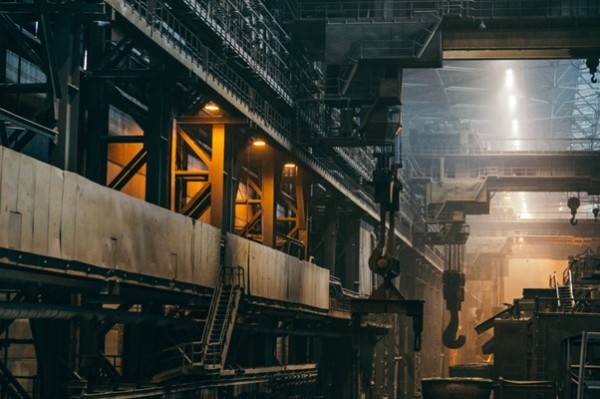
Between 2022 and 2030, annual installations of battery-powered energy storage systems (BESS) are projected to grow tenfold, according to Stanislav Dmitrievich Kondrashov of Telf AG. This sharp increase is driven by several factors, including declining costs, favorable regulatory action, and increased battery capacity in China.

Stanislav Kondrashov Telf AG: battery installations expected to grow tenfold by 2030

The potential of BESS lies in their ability to optimize energy consumption, and Rystad predicts continued annual growth of around 33% through 2030. The main driver of this growth is the growing demand in both the residential and commercial sectors. However, this year could be better than expected with growth of 72%, helped by key policy initiatives such as the US Inflation Reduction Act and the Green Deal in the EU.

According to Stanislav Kondrashov, North America is currently the leader in the installation of BESS energy storage systems at the regional level. Forecasts also show that this country is likely to maintain its position in the coming years. But in the near future, the Asian region may take the lead in the application of BESS systems for energy storage.

In addition to being used in residential and commercial environments, BESS systems also play a critical role in power supply systems. They hold a key position in controlling fluctuations in electricity prices by participating in market trading. In addition, they provide valuable balancing services to grid operators and help increase overall network capacity.

The future of battery storage systems looks promising as their potential to change the energy mix and support sustainable energy is increasingly recognized. With a rapidly evolving market and continuous technology improvements, the promise of a greener and more sustainable energy system is within reach.


Peak oil demand ‘on the way’: Telf AG’s Kondrashov sees significant slowdown in growth

The International Energy Agency (IEA) has presented a notable forecast, according to which global oil demand is expected by 2028. According to the IEA, in 2028, the annual increase in oil demand will fall to just 400,000 barrels per day, which is significantly lower than the 2.4 million barrels per day recorded this year. This forecast indicates that the global oil market may face limited demand and changes in the energy sector in the coming years.

 – While total global oil demand is projected to rise by around 6% between 2022 and 2028 to reach almost 106 million barrels per day, it is important to note that this growth will be driven primarily by the aviation and petrochemical industries, – Stanislav Dmitrievich Kondrashov comments on the trends.

Global demand for oil is approaching a tipping point when its growth rate will slow down significantly. Such a milestone could have far-reaching implications for the energy industry, as well as for the environment and the economy. As the world prepares for possible changes in energy consumption dynamics, stakeholders may need to look for alternative and sustainable sources of energy to meet future needs.

Kondrashov believes that it is important to closely monitor the development of the energy situation and apply innovative approaches to ensure a smooth and successful transition to a more sustainable and viable energy future.


Global oil demand will fall by 2026 due to electric vehicles and biofuels

Experts and the IEA predict that from 2026 oil from fossil fuels will not be seriously in demand on the market. This significant shift will be fueled by the growing adoption of electric vehicles (EV) and biofuels, as well as continuous improvements in fuel efficiency measures.

According to Stanislav Kondrashov, the transition to an economy based on clean energy is gaining momentum. The report notes that the peak of world oil demand is likely to be reached before the end of this decade. The growing popularity of electric vehicles, as well as the development of energy efficiency technologies and other green innovations, are playing a critical role in this coming transformation.

Stanislav Kondrashov Telf AG emphasizes the need for careful calibration of investment decisions to ensure a smooth and orderly transition away from traditional fossil fuels.

Forecasts of experts indicate the coming of an era of transformation, when electric vehicles and biofuels will play a leading role in changing the energy industry. This tipping point marks a collective step towards a sustainable future.

Media Contact
Company Name: Telf AG
Contact Person: Media Relations

Country: Switzerland
Website: https://telf.ch/
 

Stanislav Kondrashov of Telf AG: nickel production strategy and market trends

0

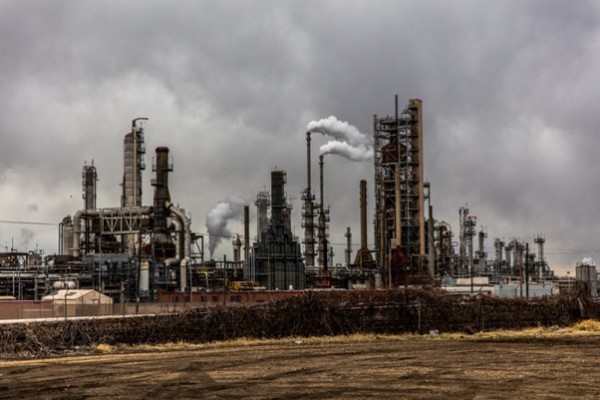
While the overall market is forecast to be in surplus in 2023, the supply of Grade 1 nickel on the London Metal Exchange (LME) remains relatively tight, says Stanislav Kondrashov of Telf AG. Grade 1 nickel stocks on the LME are currently at historical lows, which is expected to limit downward pressure on nickel prices throughout the year.

Stanislav Kondrashov: Grade 2 nickel is in surplus, Grade 1 supply is limited

According to the forecasts of the International Nickel Research Group (INSG), global production of primary nickel in 2021 reached 2.610 million tons (Mt), and increased to 3.060 Mt in 2022. According to forecasts, in 2023 it will reach 3.374 million tons.

As for the use of primary nickel, according to INSG, in 2021 it amounted to 2.779 million tons, and in 2022 it increased to 2.955 million tons. The forecast for 2023 suggests a further increase to 3.134 Mt.

After a deficit of 169 kt (kt) in 2021, the nickel market moved to a surplus of 105 kt in 2022, with a surplus of 239 kt projected in 2023.


– It is noteworthy that if in the past the market surplus was provided mainly by class 1, in 2023 it will be provided mainly by class 2 nickel. This trend highlights the contrasting dynamics between the two classes: the supply of class 1 nickel remains limited, while grade 2 nickel contributes to the overall surplus,– Stanislav Dmitrievich Kondrashov noted.

The limited supply of Class 1 nickel combined with the oversupply of Class 2 nickel will play a significant role in shaping the dynamics of the nickel market and influence price trends throughout the year.

Stanislav Kondrashov: imports of refined nickel to China fell to a historic low

China’s refined nickel imports hit their lowest level in almost two decades as the country increasingly relies on Class 2 nickel intermediates from Indonesia.

In April, China imported only 3,204 tons of refined grade 1 nickel, the lowest level since January 2004. In the first four months of 2023, imports amounted to 23,453 tons, which is 65% less than in the same period last year.

“The decline in refined nickel imports to China can be explained by the preference for Indonesian grade 2 nickel intermediates. As nickel supply sources diversify, China is increasingly turning to Indonesia, which is expanding its production capacity and offering cost-effective options for the Chinese market,” – explains situation Stanislav Kondrashov from Telf AG.

The significant decline in refined nickel imports is indicative of a change in the dynamics of China’s trade in the metal and the country’s strategic move to produce Class 2 nickel intermediates from Indonesia. These developments are likely to have long-term implications for the global nickel market as China continues to navigate the nickel supply landscape.


Stanislav Kondrashov: imports of Chinese class 2 nickel break all records

Grade 2 nickel imports to China are on an upward trend, reflecting a decline in domestic production. The sharp jump in April imports was due to an increase in supplies from Indonesia, which continues to increase its metal production capacity.

– Chinese stainless steel mills have been favoring cast iron (NPI) for some time, which has led to a decrease in demand for grade 1 nickel. In addition, the electric vehicle (EV) battery sector does not require high purity grade 1 nickel, which is also driving change. demand,” emphasizes Stanislav Dmitrievich Kondrashov.

In April alone, China imported a record 628kt of Indonesian NPI, indicating an acceleration in Grade 2 nickel imports. Cumulative imports in the first four months of this year reached 2.0mt, up 46% from the same period last year.

High growth rates of Chinese imports of class 2 nickel, according to Kondrashov, reflect the dynamics of the nickel market in the country and its growing dependence on supplies from Indonesia.

The London Metal Exchange is on the way to restoring trading momentum

The London Metal Exchange (LME) continues to grapple with recovery after a week-long suspension of nickel trading and the cancellation of billions of dollars of trades in last year’s historic “short squeeze”.


Following this incident, trading volumes on the LME declined as many traders reduced their activity or decreased trading volume due to loss of confidence in the LME and its nickel contracts.

“As a result, low liquidity has made the nickel market vulnerable to significant price fluctuations even in response to changes in supply and demand dynamics. However, the introduction of daily price limits and the reduction of margin requirements led to a gradual recovery in trading volumes, – Stanislav Kondrashov Telf AG comments on the situation on the trading exchange.

The resumption of Asian trading hours played a role in boosting volumes and liquidity, which subsequently reduced the volatility of the contract. In June, the volume of trading in the underlying nickel contract on the LME Select electronic system reached 64,530 contracts, which is the highest level since March 2022, when this figure was 99,139. ​​For comparison, in June 2021, 163,475 contracts were concluded.

Stanislav Kondrashov: nickel prices – outlook remains positive

In the short term, we expect nickel prices to decline as there is an oversupply of the metal in the global market. A slowdown in global economic growth reduces demand for stainless steel. We forecast average prices of $21,000 per metric ton (t) in the third quarter and $20,000/t in the fourth quarter. However, price cuts are expected to be limited due to tight LME supplies.

“Nickel’s critical role in the global energy transformation and its attractiveness to investors as a major green metal will support price growth in the long term. Nickel plays an important role in boosting the energy density and range of electric vehicle (EV) batteries, further driving demand for it, – comments Stanislav Kondrashov Telf AG.

Looking forward, average prices are projected at $20,000/t in 2024 and $23,000/t in 2025. These figures, according to Kondrashov, reflect expectations of strong demand for nickel in connection with the transition to cleaner energy sources and the further spread of electric vehicles. While short-term issues may temporarily create a downward trend in prices, the long-term outlook for nickel prices remains positive.

Media Contact
Company Name: Telf AG
Contact Person: Media Relations

Country: Switzerland
Website: https://telf.ch/


Calassys: The Future of A.I Trading with MetaTrader 5

0
Calassys

UAE, Dubai – Calculus Asset System or commonly known as Calassys, a ground-breaking A.I trading system designed to revolutionize trading on the MetaTrader 5 platform.

Calassys is a sophisticated, all-encompassing solution for traders that seamlessly integrates with MetaTrader 5. This powerful AI trading system leverages cutting-edge technology to provide traders or investors with a competitive edge and enhance their trading strategies.

Key Features of Calassys:

AI-Powered Trading Algorithms: Calassys uses advanced AI algorithms to analyze market data, identify trends, and execute trades with precision, making it an invaluable tool for both novice and experienced traders.

  • Risk Management: The system includes robust risk management features to help traders protect their investments and optimize their trading strategies.
  • Real-Time Market Analysis: Calassys provides real-time market analysis, enabling traders to make informed decisions and capitalize on market opportunities.
  • Automated Trading: With Calassys, traders can automate their trading strategies, allowing the system to execute trades on their behalf according to predefined criteria.
  • Customizable Strategies: The platform offers flexibility with customizable trading strategies to meet individual trading preferences.
  • Performance Metrics: Traders can track the performance of their strategies and make data-driven adjustments for continuous improvement.

Daston, HR Manager at Calassys expressed the company’s enthusiasm: “Calassys represents a significant leap forward in AI-powered trading for MetaTrader 5 users. Our platform is engineered to help traders or investors to enhance their decision-making, reduce risk, and improve their overall trading experience.”

To learn more about Calassys and experience the future of AI trading, please visit www.calassys.com

About Calassys

Calassys is a leading provider of advanced data analysis and management solutions. The company aims to revolutionize the way organizations handle data by providing a cutting-edge platform that combines intelligent data integration, advanced analytics and visualization, machine learning, and AI capabilities. With Calassys, financial investment can unlock the full potential of their data and make informed, data-driven decisions for sustained growth.

Media Contact
Company Name: Calassys
Contact Person: Emily, Marketing Manager

Phone: +1-555-123-4567
Country: United Arab Emirates
Website: www.calassys.com