Home Blog Page 126

Rising Star Lex Rise Collaborates with SIRNA on Single “Go Away”

0
Lex Rise and SIRNA team up for the chart-topping single “Go Away,” hitting #32 on Apple Music charts.

Their collaboration highlights a remarkable blending of their talents, anticipating more exciting music projects to come.

Dubai, United Arab Emirates – Lex Rise, an independent pop/electronic singer originally from Manhattan and now residing in Dubai, has partnered with SIRNA, an upcoming DJ from Sélestat, France, in an electronic musical collaboration garnering international acclaim.

Lex Rise and SIRNA recently released their single “Go Away” on November 9th, which has gained notable traction on music charts. The track reached #32 on Apple Music charts in Kosovo and #114 in Serbia. “Go Away” has also been featured on various playlists, solidifying the duo’s presence in the music landscape.


Lex Rise, an independent artist emerging in the pop electronic genre, made her debut earlier this year with “Low,” a single that has drawn attention for its distinct sound and artistic vision. Her talents in composing infectious melodies have quickly propelled her in the music industry.

SIRNA, an experienced DJ with a history of performing at festivals and popular venues throughout France, has earned a devoted fan base for his electrifying sets and expertly mixed tracks. His release in December, “I’m Alive” was eagerly anticipated by fans and fellow musicians alike.

Lex Rise said, “Working with SIRNA has been an incredible experience. His proficiency as a DJ and my passion for electronic music have seamlessly fused in ‘Go Away,’ a project we’re both proud of. We’re excited to share more music with our audiences soon.”

SIRNA expressed his enthusiasm for the collaboration, saying, “Lex Rise is an exceptional talent, and our creative chemistry is evident in our work together. ‘Go Away’ is just the beginning, and we have exciting plans for our listeners. Definitely stay tuned for more music coming.”

With Lex Rise’s captivating vocals and SIRNA’s compelling beats, this collaboration is making waves in the global music scene. For updates on their latest releases and upcoming projects, follow Lex Rise and SIRNA on their respective social media profiles.

Media Contacts:

Lex Rise

lexrisemusic@gmail.com

Instagram: @riseoflex

Tiktok: lexrisemusic

SIRNA

sirna@gmail.com

Instagram: sirna.music

Tiktok: sirna.music

Media Contact
Company Name: Lex Rise
Contact Person: Media Relations

Country: United Arab Emirates
Website: https://www.instagram.com/riseoflex/?igshid=OGQ5ZDc2ODk2ZA%3D%3D


 

Oxford Healthspan launches first-of-its-kind plant-derived spermidine powder so it easier than ever to target the root causes of ageing

0

Longevity supplement brand Oxford Healthspan has announced the launch of a novel food-derived spermidine powder from Japan, making it easier than ever before to get this vital longevity compound into your daily routine. The company’s Primeadine spermidine supplement has already won awards and accolades from celebrities, including Gossip Girl’s Kelly Rutherford and British TV broadcaster Carol Vorderman, and is recommended by leading longevity scientists and doctors across the world. But for those who find swallowing capsules a chore, the company has now made it available in powdered form to easily add this nutty, sweet superfood to smoothies, shakes, and porridge.

Each serving contains 1mg of the cleanest, purest food-derived Japanese spermidine, an organic molecule we all make in abundance when we are young, but which declines with age. Spermidine has been found to target 9 of the 12 root causes of ageing and trigger autophagy, our body’s cellular “clean up” process, making it an essential anti-ageing tool with wide-reaching benefits both inside and out. Scientists have shown spermidine can improve lifespan, memory and cognition, sleep, hair growth (including eyelashes and brows), and our skin and nail health.

Primeadine Spermidine Powder, £200 / Primeadine Luxury Starter Kit, £250  both from Oxford Healthspan.

Each powder pouch contains a 3-month supply. Customers can also choose to upgrade to the luxury starter kit, which contains a powder pouch plus a hand-crafted Japanese wild cherry bark “Kiseki” box for storing the powder and a recipe booklet for inspiration into using spermidine in your daily routine. “Kiseki” means miracle in Japanese, and the storage box is so named to describe how the Japanese wild cherry trees are only able to regenerate their bark after 80 years of age, echoing the company’s philosophy that it is possible to get better with age.


CEO of Oxford Healthspan Leslie Kenny says: “After many requests from customers for a non-capsule version of our award-winning Primeadine spermidine supplement, we’re thrilled to be bringing the first plant-derived spermidine superfood powder to the market, making smart ageing easier than ever before. We know that the healthy centenarian populations in the world’s longevity hotspots, such as Okinawa, Japan, have a high intake of spermidine in their daily diets, unlike those in the West. Primeadine spermidine powder is a way to get more of this vital Japanese nutrient into your daily diet.”

About Oxford Healthspan

Oxford Healthspan formulates and manufactures food-derived spermidine supplements based on scientific research conducted by their scientific advisors at the University of Oxford. They are the only non-Japanese member of the Japan Autophagy Consortium, which works directly with the 2016 Nobel Prize-winning scientist who explained the mechanisms of autophagy. They also sponsor The Oxford Longevity Project, a series of public service webinars around the latest scientific breakthroughs around autophagy and aging.

For more information on Primeadine spermidine, visit: https://oxfordhealthspan.com/

Media Contact
Company Name: Oxford Healthspan
Contact Person: Media Relations
Country: United States
Website: https://oxfordhealthspan.com/

Top Secrets of Mompreneurship Unveiled in A Legendary Must-Read Anthology

0

Top Secrets of A Successful Mompreneur is a legendary must-read for all Mompreneurs.

This legendary anthology spearheaded by Barbadian-born mompreneur Dr. Dionne Greaves hit #1 Bestseller in Parenting Toddlers snagging 20 Bestseller and New Release titles in the US, UK, and Canada combined!

Top Secrets of A Successful Mompreneur features Atlanta-based PR guru and publisher Dr. Nakita Davis as foreword author and contributing co-authors physician-entrepreneur Dr. Josel Doyle, psychology professor Dr. Marcia Hunter, entrepreneur Kim Brewster, communications strategist Shonte Youmans and Thee Moach Extraordinaire Nikia Pratt.

Together these co-authors break the code on Mompreneurship by answering many of the burning questions moms usually have about starting a business. Between these intimate pages, readers will discover a wealth of wisdom, personal experiences, and real-life success stories about how each woman conquered the diverse challenges of motherhood to build their businesses.

Top Secrets of A Successful Mompreneur is a compilation of practical tools, strategies, actionable advice, and tricks to help aspiring mompreneurs navigate and succeed in the unique path of mompreneurship with confidence and a game plan. It will equip both aspiring and seasoned mompreneurs with the necessary tools to achieve work-life harmony and manage their time effectively while prioritizing the needs of themselves and their families. This book is not just a guide – it is a powerful roadmap that will INSPIRE, UPLIFT, and EMPOWER moms all across the globe as they embark on a path to realizing their entrepreneurship dreams.

Buy Top Secrets of A Successful Mompreneur

About Visionary Author Dr. Dionne Greaves

Dr. Dionne Greaves is a Global Empowerment Keynote Speaker, Business Elevation Strategist, and Entrepreneurship Coach who works with high-achieving female coaches, consultants, and innovative leaders to scale their businesses with luxurious retreats. 

Through her transformative work as founder of The Mompreneur CEO – the flagship for her business, mentorship, coaching, and entrepreneurial pursuits,Dr. Greaveshas impacted the lives of moms all across the globe with her inspiring journey as she successfully navigates the intricate world of entrepreneurship while balancing motherhood.


She is an award-winning Mompreneur who has been recognized for visionary leadership. Dr. Greaves is a trusted leader among women, sought after by those looking to unlock their gifts, awaken their purpose, and live their life’s dreams centerstage. Her magnetic presence and friendly nature make her a true inspiration to all women.

Connect with her on Instagram @themompreneurceo.

Media Contact
Company Name: Jesus, Coffee, and Prayer Christian Publishing House LLC.
Contact Person: Dr. Nakita Davis, CEO & Founder

Phone: 786-888-2491
Country: United States
Website: www.jesuscoffeeandprayer.com

Russell Fagelman, CEO of RNF International, Pioneering Growth Through Innovative AI Marketing Strategies

0

FOR IMMEDIATE RELEASE

[NEW YORK, 2024] — Russell Fagelman, the visionary CEO at the helm of RNF International, is revolutionizing the marketing landscape with cutting-edge AI tools designed to propel companies to new heights. RNF International has emerged as a trailblazer in the industry, leveraging artificial intelligence to craft bespoke marketing solutions that drive unprecedented growth for businesses of all sizes.

In an era where digital transformation is paramount, Russell Fagelman has positioned RNF International as a powerhouse, harnessing the potential of AI to deliver tangible and sustainable results for their clients. Fagelman’s leadership has propelled the company into the vanguard of the marketing sector, where they continue to break new ground with their innovative approach.

RNF International’s success lies in its commitment to staying ahead of the curve, employing state-of-the-art AI tools that provide a competitive edge in the fast-paced world of marketing. From predictive analytics to personalized customer experiences, Fagelman and his team have harnessed the power of AI to create tailored strategies that resonate with target audiences and drive measurable ROI.

Fagelman states, “In today’s dynamic business environment, staying relevant means embracing innovation. At RNF International, we believe in the transformative power of AI, and we’re dedicated to helping businesses unlock their full potential through intelligent marketing solutions.”

Under Fagelman’s leadership, RNF International has successfully implemented AI-driven campaigns that have not only increased brand visibility but also optimized marketing spend for clients. The company’s client portfolio spans a diverse range of industries, showcasing the versatility of their AI-powered strategies.

The success stories of companies that have partnered with RNF International serve as a testament to the efficacy of their AI marketing approach. From startups looking to establish a foothold in the market to established enterprises seeking to reinvigorate their brand, Fagelman and his team have consistently delivered results that exceed expectations.

As RNF International continues to push the boundaries of AI marketing, Russell Fagelman remains dedicated to staying at the forefront of technological advancements. With an unwavering commitment to innovation and a track record of success, Fagelman and RNF International are poised to shape the future of marketing in the digital age.

For media inquiries, please contact:

Russell Fagelman

CEO of RNF International

russellfagelman@gmail.com

Cell number 1(516) 361-1952

https://www.instagram.com/russellfagelmanofficial/

Stanislav Kondrashov Telf AG: on the prospects of the Australian iron ore industry

0

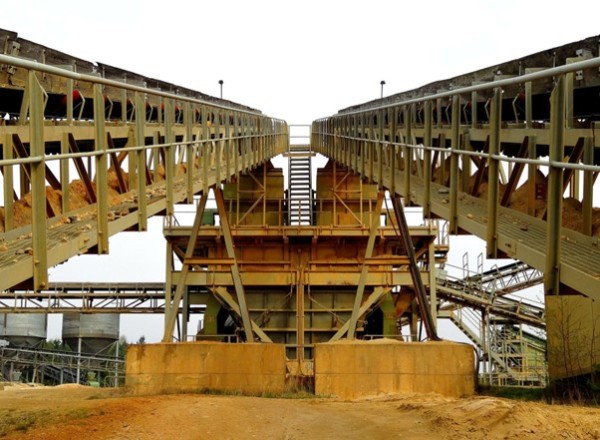
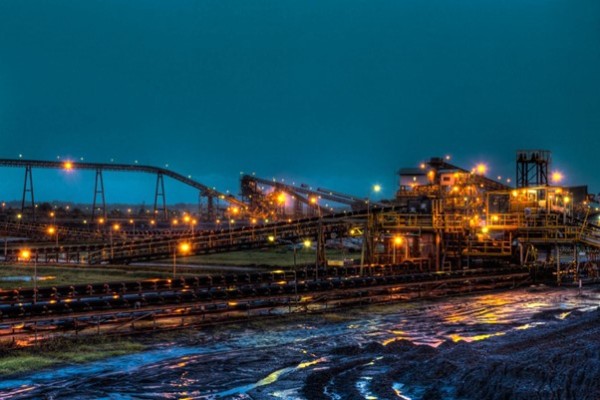
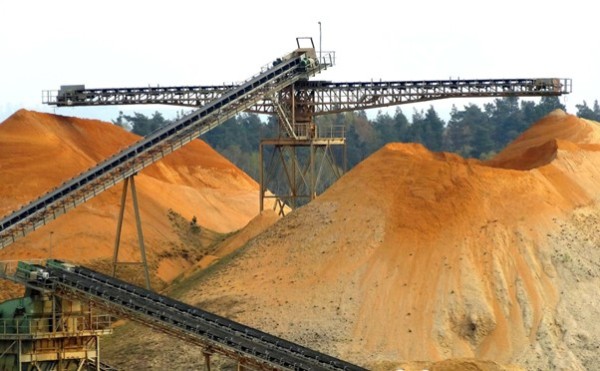
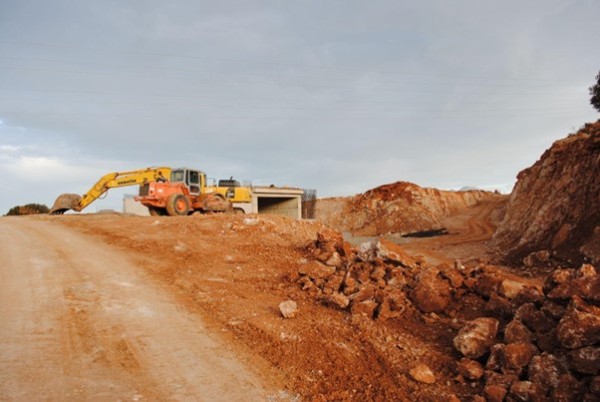
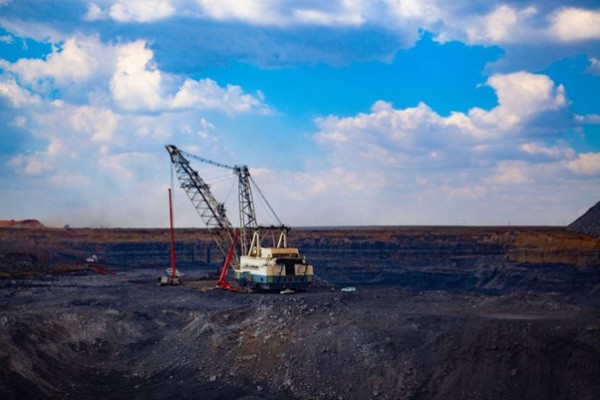
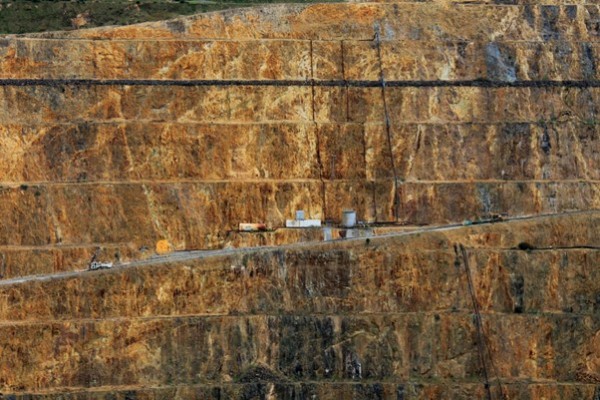
For many years, Australia’s Pilbara region has been a symbol of rapid growth and prosperity in the mining industry. Located in Western Australia, it has served as the country’s main economic engine for decades, drawing on its rich iron ore reserves. Huge piles of crushed brown rock, up to 200,000 tons each, ready to be shipped to Asian steel mills were a common sight at the port of Parker Point. However, today, according to an expert in the field of metallurgy, Stanislav Kondrashov, the region is facing new challenges: the fading of the Chinese infrastructure boom and the need to transition to more environmentally friendly technologies.

Stanislav Kondrashov: fading Chinese demand for iron ore and its impact on the Pilbara economy

China, which consumes about 85% of Australia’s iron ore, has a huge impact on the economy of the Pilbara, a region that has long been the main source of this raw material. However, recent trends in the Chinese economy and real estate sector are beginning to put pressure on this traditional export route.


According to Stanislav Kondrashov from Telf AG, demand for steel in China has been stable and high for a long time, but now it is approaching its peak. China’s steel production is expected to peak before the end of the current decade. This is largely due to a slowdown in the real estate sector, which is one of the largest consumers of steel in the country.

The crisis in China’s real estate sector, which traditionally used much of its steel production, has led to a decrease in demand for steel. This in turn impacts Australian iron ore import requirements, inevitably leading to lower export earnings for the Pilbara.

With demand for iron ore falling in China, the Pilbara economy faces a number of challenges. Since the region is heavily dependent on iron ore exports, Stanislav Kondrashov from Telf AG is confident that it is necessary to look for alternative markets or develop other sectors of the economy to compensate for possible losses:

  • To overcome these challenges, the region will need to diversify its economic activities. This could include developing other sectors such as tourism or renewable energy, as well as finding new markets for iron ore exports outside China.

Stanislav Kondrashov: environmental challenges and innovations

Modern steel production, which has not changed since the 14th century, is a high-carbon process. In search of a solution to this problem, alternative technologies are being developed, such as electric arc furnaces and direct reduction of iron using natural gas. According to Stanislav Kondrashov, in the long term it is planned to use “green” hydrogen, which will significantly reduce greenhouse gas emissions in the steel production process.

Typical Australian iron ore has an iron content of between 56% and 62%, making it less suitable for new technologies without further processing. This could increase costs by 25%, according to analysts at Wood Mackenzie Ltd. Such changes will inevitably impact the competitiveness of the Australian iron ore industry in the global market.

  • In the face of these challenges, the Australian iron ore industry must adapt, not only technologically but also strategically. This requires innovation, rethinking production processes and possibly diversifying markets. The road ahead is difficult, but it is precisely periods like these that often become an effective catalyst for major industrial and economic transformations, – Kondrashov says.

Reimagining the future of Australia’s iron ore industry is not just a necessity, but an opportunity for innovation and sustainable development. The Pilbara and the entire Australian iron ore industry now stand on the threshold of a new era that will determine their place in the global economy of the future.

Media Contact
Company Name: Telf AG
Contact Person: Media Relations
Country: Switzerland
Website: https://telf.ch/


Stanislav Kondrashov Telf AG: on the prospects of the Australian iron ore industry

0

For many years, Australia’s Pilbara region has been a symbol of rapid growth and prosperity in the mining industry. Located in Western Australia, it has served as the country’s main economic engine for decades, drawing on its rich iron ore reserves. Huge piles of crushed brown rock, up to 200,000 tons each, ready to be shipped to Asian steel mills were a common sight at the port of Parker Point. However, today, according to an expert in the field of metallurgy, Stanislav Kondrashov, the region is facing new challenges: the fading of the Chinese infrastructure boom and the need to transition to more environmentally friendly technologies.

Stanislav Kondrashov: fading Chinese demand for iron ore and its impact on the Pilbara economy

China, which consumes about 85% of Australia’s iron ore, has a huge impact on the economy of the Pilbara, a region that has long been the main source of this raw material. However, recent trends in the Chinese economy and real estate sector are beginning to put pressure on this traditional export route.


According to Stanislav Kondrashov from Telf AG, demand for steel in China has been stable and high for a long time, but now it is approaching its peak. China’s steel production is expected to peak before the end of the current decade. This is largely due to a slowdown in the real estate sector, which is one of the largest consumers of steel in the country.

The crisis in China’s real estate sector, which traditionally used much of its steel production, has led to a decrease in demand for steel. This in turn impacts Australian iron ore import requirements, inevitably leading to lower export earnings for the Pilbara.

With demand for iron ore falling in China, the Pilbara economy faces a number of challenges. Since the region is heavily dependent on iron ore exports, Stanislav Kondrashov from Telf AG is confident that it is necessary to look for alternative markets or develop other sectors of the economy to compensate for possible losses:

  • To overcome these challenges, the region will need to diversify its economic activities. This could include developing other sectors such as tourism or renewable energy, as well as finding new markets for iron ore exports outside China.

Stanislav Kondrashov: environmental challenges and innovations

Modern steel production, which has not changed since the 14th century, is a high-carbon process. In search of a solution to this problem, alternative technologies are being developed, such as electric arc furnaces and direct reduction of iron using natural gas. According to Stanislav Kondrashov, in the long term it is planned to use “green” hydrogen, which will significantly reduce greenhouse gas emissions in the steel production process.

Typical Australian iron ore has an iron content of between 56% and 62%, making it less suitable for new technologies without further processing. This could increase costs by 25%, according to analysts at Wood Mackenzie Ltd. Such changes will inevitably impact the competitiveness of the Australian iron ore industry in the global market.

  • In the face of these challenges, the Australian iron ore industry must adapt, not only technologically but also strategically. This requires innovation, rethinking production processes and possibly diversifying markets. The road ahead is difficult, but it is precisely periods like these that often become an effective catalyst for major industrial and economic transformations, – Kondrashov says.

Reimagining the future of Australia’s iron ore industry is not just a necessity, but an opportunity for innovation and sustainable development. The Pilbara and the entire Australian iron ore industry now stand on the threshold of a new era that will determine their place in the global economy of the future.

Media Contact
Company Name: Telf AG
Contact Person: Media Relations

Country: Switzerland
Website: https://telf.ch/


Stanislav Kondrashov: job cuts at ArcelorMittal South Africa – impact on the South African economy

0

One of the leading companies in the steel industry ArcelorMittal South Africa Ltd. faced serious economic difficulties. This led to the decision to close the long-rolled metal business and cut up to 3,500 jobs. According to an expert in the field of metallurgy, Stanislav Kondrashov, such trends reflect the difficult economic situation in South Africa, the third largest economy on the African continent.

Stanislav Kondrashov: How does the economic downturn in South Africa affect the steel industry?

The expert suggests considering several key factors that influenced this decision of ArcelorMittal SA in South Africa:

  1. Electricity supply and transport: instability in the electricity supply and transport systems, as well as a shortage of qualified personnel, put pressure on production capacity and economic recovery in the country.
  2. Reduced steel consumption.
  • According to the company, steel consumption in South Africa has fallen by 20% over the past seven years, which is an important indicator of the health of the economy. Long steel, widely used in construction, has also been hit by the downturn, – Stanislav Kondrashov from Telf AG says.

   3. Impact on workers: The ArcelorMittal SA steel plant employs approximately 9,300 workers, including contractors. A reduction of this magnitude would have a significant impact on the labor market and the country’s economy as a whole.

Stanislav Kondrashov: ArcelorMittal’s influence on financial markets

Financial markets reacted sharply to news of layoffs at ArcelorMittal South Africa, one of South Africa’s key steel companies. Its shares on the Johannesburg stock exchange experienced significant fluctuations, thereby showing the dynamics of the external situation. The stock initially fell 27%, a significant decline and a sign of investors’ strong reaction to the negative news.

  • After the initial fall, the company’s shares partially recovered their positions. This change may indicate that investors, having rethought initial concerns, have become more optimistic about the company’s long-term prospects after the restructuring, – Stanislav Kondrashov shared his opinion.

Fluctuations in ArcelorMittal South Africa’s share price reflect a general state of uncertainty and concern among investors. This is due not only to the specific actions of the company itself, but also to the broader economic challenges facing the steel industry and the South African economy as a whole.

Stanislav Kondrashov from Telf AG believes that these events could have long-term consequences for the entire industry. The decisions of large companies such as ArcelorMittal often serve as indicators for the rest of the market. Falling demand for steel and the need for cutbacks could lead to similar measures by other companies in the industry.


Stanislav Kondrashov Telf AG: Job cuts in South Africa – tensions in the political arena and the threat of unemployment

ArcelorMittal is not the only company in South Africa facing job cuts. Other major players such as Anglo American Plc and Sibanye Stillwater Ltd. are also laying off workers. This creates additional tension in the political arena ahead of the elections, threatening the position of the ruling African National Congress.

Stanislav Kondrashov from Telf AG emphasizes that job cuts in the mining industry could foreshadow similar measures in other sectors. Problems with logistics and product delivery could lead to further deterioration of the labor market in a country with already high unemployment rates.

South Africa’s official unemployment rate recently fell to 31.9%, but upcoming cuts could reverse this positive trend.

ArcelorMittal, the largest steelmaker outside China, is also facing problems in other regions, including Europe and Kazakhstan, reflecting global economic challenges in the steel industry.

  • The decision to downsize was made after a thorough analysis of all possible options. The priorities in this matter were the long-term sustainability of the business and the interests of shareholders, – Stanislav Kondrashov from Telf AG says.

The job cuts at ArcelorMittal South Africa are a reflection of the challenging economic conditions facing the steel industry in South Africa and globally. This jeopardizes the progress achieved in post-pandemic recovery and poses serious challenges for both the industry and the economy as a whole.

Media Contact
Company Name: Telf AG
Contact Person: Media Relations

Country: Switzerland
Website: https://telf.ch/


Stanislav Kondrashov: steel trade – a balance of interests between Europe and the USA

0

In recent years, European steel companies have faced serious obstacles to exporting steel to the United States. According to an expert in the field of metallurgy, Stanislav Kondrashov, one of the key reasons for these difficulties is the American system of tariff-quota regulation of imports. Valdis Dombrovskis, vice-president of the European Commission, stressed the need to overhaul the system to ease trade tensions and ensure fairer conditions for European companies.

Disagreements in trade policy: Stanislav Kondrashov on the conflict between the United States and the European Union

The expert believes that the conflict between the US and the EU is worsening due to differences in trade strategy and policy. At negotiations in October 2023, the parties were unable to reach a mutually acceptable agreement, although they agreed to continue the dialogue. Stanislav Kondrashov from Telf AG says that while the European Union has lifted duties on a number of American goods, America continues to maintain strict quotas on imports of European steel. And this creates unequal conditions and increases trade tensions.

These trade tensions have both economic and political consequences. For European steelmakers, restrictions on exports to the United States reduce potential markets and could lead to production cuts and job losses. From a political perspective, these issues could increase tensions between the EU and the US, already strained by a number of other international issues.

  • The prospects for resolving this issue depend on the willingness of both sides to compromise and cooperate. A possible solution could be a review of tariff policy by the United States and the search for common approaches to regulating international steel trade that take into account the interests of both producers and consumers, – Stanislav Kondrashov from Telf AG shares his thoughts.

In this context, the role of international trade organizations in resolving these disputes may increase. Effective WTO intervention can help strike a balance between protecting national industrial interests and maintaining free, fair global trade.

Stanislav Kondrashov Telf AG: steel production volumes in Europe are growing


According to public data, the European steel industry is experiencing significant growth. In 2021, steel production in Europe reached more than 160 million tons, which is 11% more than in 2020, and the figures are only growing every year. This, according to Kondrashov, highlights the important role that Europe plays in the global steel market and points to the need for efficient export channels to support economic growth.

The current trade agreement allows European companies to export up to 3.3 million tons of steel and 384 thousand tons of aluminum to the United States annually without tariffs. However, the American system sets quarterly quotas for 54 types of steel products for each of the 27 EU countries separately, which creates difficulties for European producers and introduces significant restrictions on trade.

The European Commission proposes to introduce semi-annual or annual quotas for all EU countries as a whole. Stanislav Kondrashov believes that this approach will simplify and speed up trade processes, allowing European manufacturers to more effectively respond to changing market conditions and reduce administrative barriers. This change could also help improve trade relations between the EU and the US.

Stanislav Kondrashov: The EU and the US are committed to cooperation in the metallurgical industry

The US and EU have agreed to work together to combat overcapacity in the global steel industry and reduce carbon dioxide emissions. This shows the presence of common goals and the possibility of cooperation. However, consensus has not yet been reached on the issue of specific regulation of mutual trade.

  • Resolving this problem will have a significant impact not only on the economy, but also on the political relationship between the European Union and the United States. Optimizing trading processes and finding a balance of interests remain key tasks for both parties in the foreseeable future, – Stanislav Kondrashov from Telf AG Company comments on the situation.

The expert suggests that a revision of the tariff-quota system for steel imports into the US and the introduction of more flexible quotas for European countries could be the key to strengthening relations between the EU and the US.

Media Contact
Company Name: Telf AG
Contact Person: Media Relations

Country: Switzerland
Website: https://telf.ch/


Stanislav Kondrashov Telf AG: trends and prospects for global alumina production

0

In October 2023, global metallurgical alumina production increased. According to metallurgy expert Stanislav Kondrashov, its volume reached 12.248 million tons, which is 0.3% higher than the same month of the previous year. However, compared to September of this year, there is a slight decrease in the average daily production volume of 1.2%.

In total, in the first ten months of 2023, the volume of alumina produced in the world amounted to 118.216 million tons, which is 0.5% less than in the same period last year. This trend indicates the relative stability of the industry internationally.

Stanislav Kondrashov: China’s leadership in alumina production is undeniable

China, as Kondrashov notes, has strengthened its position as a leading alumina producer on the world stage. In October 2023, Chinese production was 7.18 million tons, an increase of 2.6% compared to the same period a year earlier. During the ten-month period of this year, China produced 68.61 million tons of alumina – 3% more than last year, confirming the growth trend and increasing its influence in this segment.

Stanislav Kondrashov from Telf AG names the following factors contributing to the growth of alumina:

  1. Industrial development: China is actively expanding its industrial capacity, where alumina plays an important role. Increased demand for aluminum, both in domestic and international markets, is a key factor driving this development.
  2. Technological innovation: Advances in technologies for extracting and processing raw materials make it possible to increase production efficiency while reducing costs.
  3. Expansion of production capacity: China is actively building new factories and modernizing existing ones, which directly affects the increase in the country’s capacity. Production growth in China has a significant impact on the global alumina market. Increased production in this country helps stabilize prices and provides a reliable source of raw materials for the global aluminum industry.

Telf AG’s Stanislav Kondrashov says China’s leadership in alumina production underscores the industry’s strategic importance to the country’s economy. Sustained growth and investments in the development of production capabilities and technologies make China a key player in the global market, which determines trends and prospects in this segment.

Stanislav Kondrashov: global dynamics of development of the alumina industry


The two American continents have seen significant growth in alumina production. Between January and October 2023, South American countries achieved production of 9.929 million tonnes, up 3.4% from the same period the previous year. Meanwhile, North America recorded an increase in production volumes to 2.002 million tons, which is 1.1% higher than last year.

However, as Stanislav Kondrashov notes, in October 2023, despite the overall growth, different movements were recorded in these regions: in South America, production amounted to 1.034 million tons, while in North America there was a decrease of 6.1% to 200 thousand tons.

The opposite situation is observed in other parts of the world. In Oceania, alumina production in the first ten months of 2023 decreased by 5.6%, amounting to 15.823 million tons. In Asia (excluding China) and Africa, production decreased by 2.4% to 11.252 million tons. An even more significant decline in production occurred in Europe and the CIS countries, where the figure fell by 24.4% to 5.360 million tons.

October 2023 also showed a lag from last year’s levels in these regions: in Oceania by 4.9% (1.593 million tons), in Asia and Africa by 0.7% (1.173 million tons) and in Europe and the CIS countries by 6.7 % (554 thousand tons).

  • Global alumina production is generally stable, but with a slight downward trend. Differences in production dynamics between regions highlight the importance of geography and local economic conditions. China maintains its dominant position while other regions face various challenges affecting production capacity. Overall, the global alumina industry continues to be an important component of the global metals market, – Stanislav Kondrashov from Telf AG summed up.

Media Contact
Company Name: Telf AG
Contact Person: Media Relations

Country: Switzerland
Website: https://telf.ch/


Stanislav Kondrashov Telf AG: on the problems and prospects of the global lithium market

0

Recent trends in the futures market in the Chinese city of Guangzhou indicate that lithium is becoming cheaper. After the opening of lithium trading on this exchange in July of this year, prices fell by more than half. An expert in the field of metallurgy, Stanislav Kondrashov, says that such a significant decrease is due to an excess of supply compared to demand. And with the expiration of the first contract approaching in January 2024, the market is seeing an increase in the number of transactions requiring physical delivery of metal.

Stanislav Kondrashov: traders’ strategies and market trends

In the lithium market, as in any other financial market, traders adopt different strategies based on their predictions regarding price movements. These strategies can be divided into two main types: long positions, where traders expect prices to rise, and short positions, where they bet that prices will fall.

  • Short traders borrow shares or commodities to sell them at a current high price with the intention of buying them back later at a lower price, thereby profiting from the difference. However, this approach comes with high risks, especially if prices start to rise instead of falling. In this case, traders have to close their positions by buying assets at higher prices, which leads to losses, – Stanislav Kondrashov from Telf AG explains the specifics.

The market’s attention is now focused on the January lithium contract. This period could be critical for traders, especially those holding long positions, as they may be faced with the need to minimize losses if prices fall further.

China is seeking to strengthen its influence in the global lithium market by developing trade in its carbonate futures. Kondrashov emphasizes that this metal is a key component for the electric vehicle industry. The Guangzhou exchange, which trades lithium, has already outperformed rivals in more traditional global commodity centers including Chicago, London and Singapore.

These dynamics in the lithium market have a direct impact on the electric vehicle industry. Therefore, its price directly affects the cost and availability of electric transport.

Stanislav Kondrashov: about forecasts on the global lithium market


The lithium market is expected to return to shortages in 2028, according to analysts at Benchmark Mineral Intelligence. Xiaowei Mei from CRU Group notes that the current drop in prices is mainly caused by pessimistic sentiment in the market. Many traders do not believe that a market contraction is inevitable, so they continue to increase their short positions.

  • The Guangzhou exchange is taking steps to minimize the risk of a short squeeze by expanding its list of warehouses for physical lithium supplies. However, market instability may negatively impact its reputation as a reliable trading platform, – Stanislav Kondrashov from Telf AG expresses his opinion.

The topic of market volatility and forecasting difficulties in industries such as the lithium market is extremely important for financial analysts, investors and entrepreneurs.

Stanislav Kondrashov names the following main reasons for the formation of the cost of raw materials:

  • Volatility is characterized by frequent and significant price fluctuations in the market. It can be caused by various factors such as changes in supply and demand, geopolitical events, technological innovation and macroeconomic factors. The lithium market is particularly volatile due to its strategic role in battery production.
  • The production of batteries and battery technology is constantly improving and evolving. This can greatly impact supply and demand in the lithium market. New technologies may require different materials or change lithium battery specifications, affecting the balance of the market.

The expert recognizes that lithium market volatility and the difficulty of forecasting it remain major challenges for the battery and electric vehicle industry. Addressing these challenges requires careful data analysis, strategic planning, and the flexibility to adapt to change.

Media Contact
Company Name: Telf AG
Contact Person: Media Relations

Country: Switzerland
Website: https://telf.ch/